French Macaron Recipe – Easy & Delicious Guide
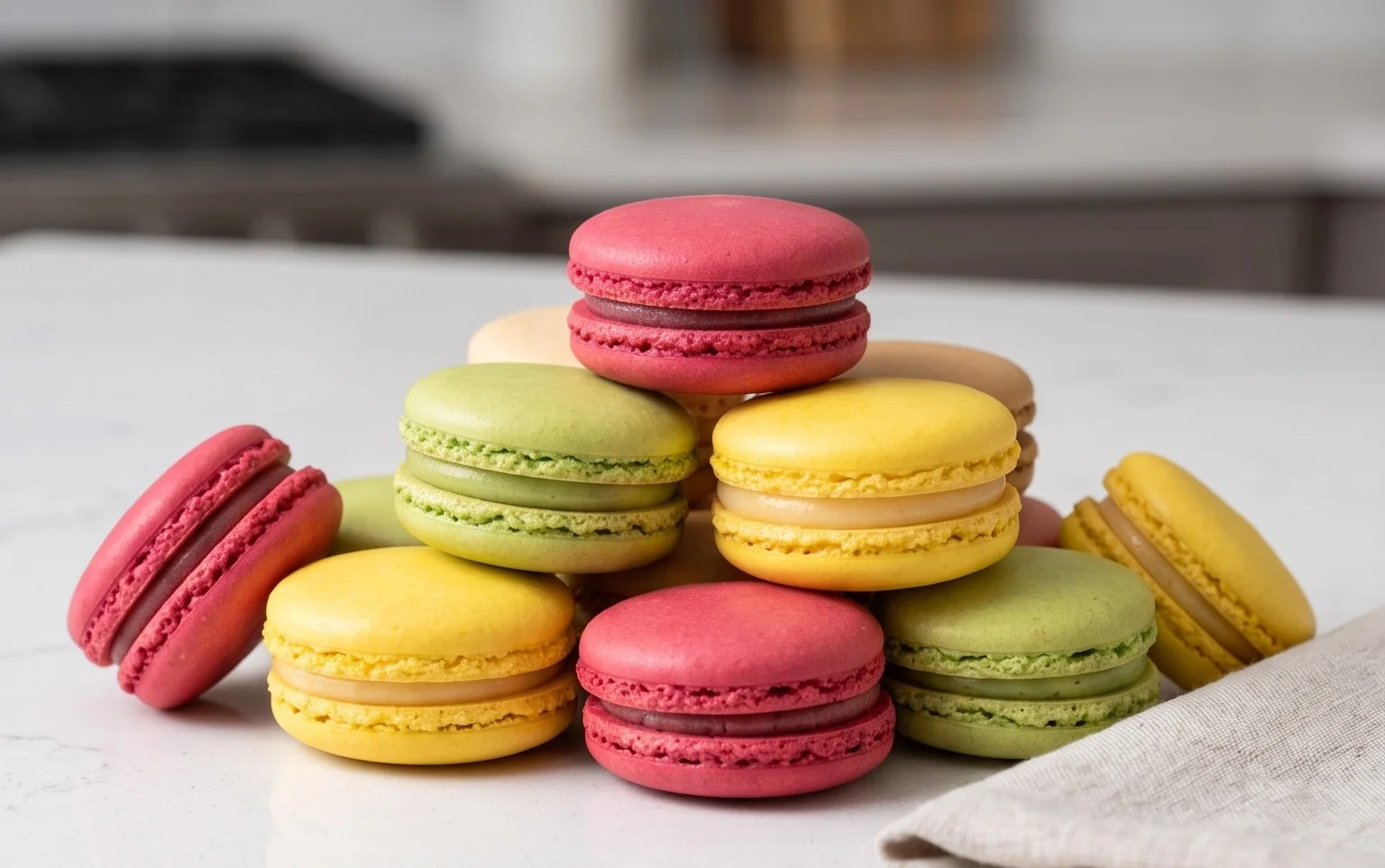
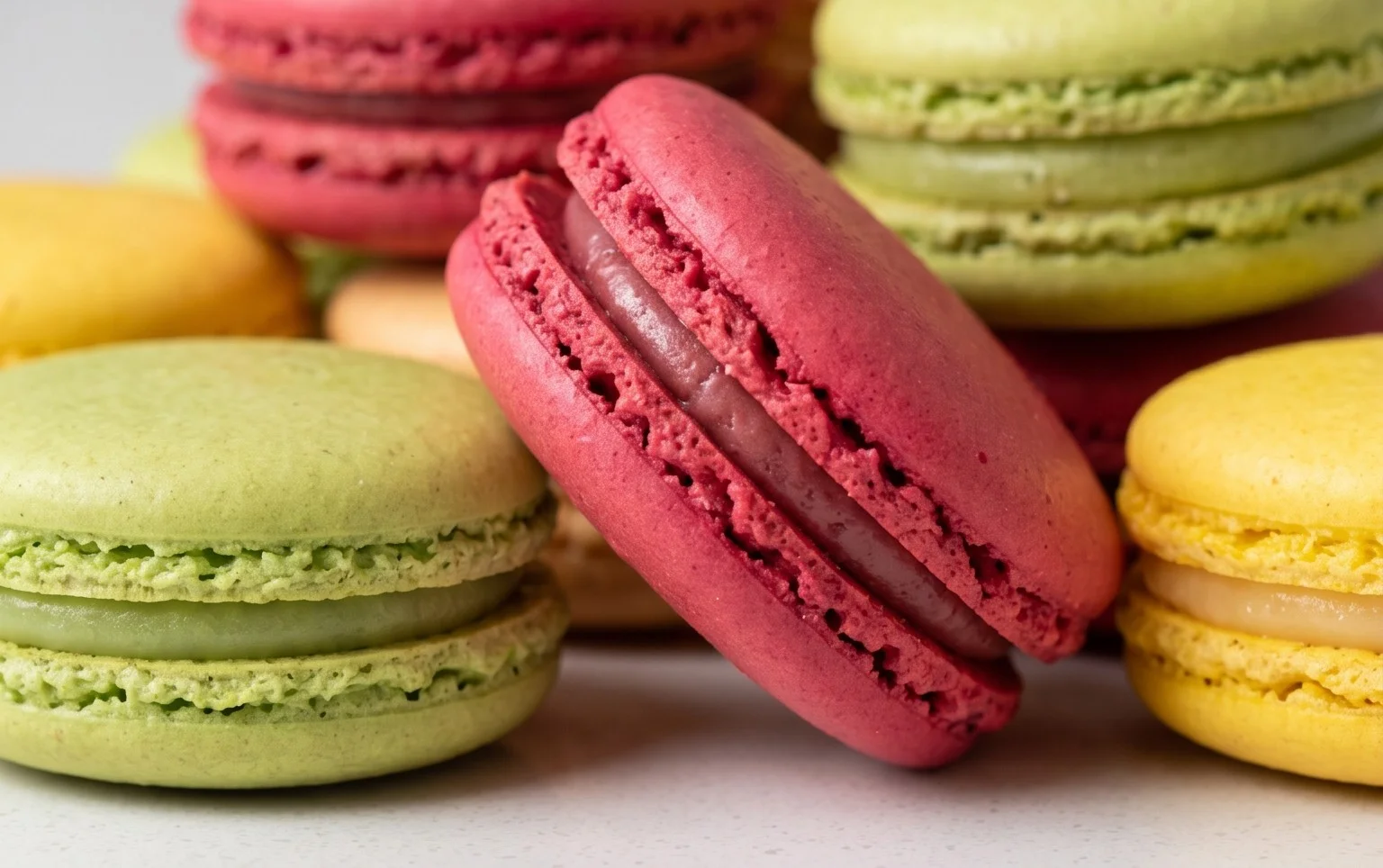
French macarons are more than just a dessert; they’re a delicate dance of textures and flavors, a symbol of Parisian elegance, and a delightful challenge for any home baker. Have you ever gazed at those perfectly smooth shells, the faint ruffled “foot,” and the creamy filling and thought, “I wish I could make those myself”? Well, you absolutely can! The allure of the French macaron lies in its exquisite contrast: a crisp, airy shell giving way to a chewy interior, all embraced by a luscious ganache or buttercream. What makes them so incredibly special is their versatility – a blank canvas for a rainbow of colors and a symphony of taste sensations, from classic vanilla bean to exotic rosewater. Embarking on the journey to create your own French macarons is incredibly rewarding, and with a little patience and this guide, you’ll be well on your way to mastering these iconic confections.
French Macaron Recipe
The French macaron is a delicate, airy cookie with a chewy interior and a crisp shell, sandwiched together with a luscious filling. While they can seem intimidating, with a little patience and precision, you can create these elegant treats in your own kitchen. This recipe will guide you through the process, ensuring beautiful and delicious macarons every time.
Ingredients:
Instructions:
Step 1: Preparing the Dry Ingredients and Meringue Base
The foundation of a perfect macaron lies in the dry ingredients and a stable meringue. Begin extract by sifting your almond flour, powdered sugar, and salt together. This step is crucial for achieving smooth macaron shells without any grittiness. You might need to sift them multiple times, using a fine-mesh sieve and the back of a spoon to push through any larger particles. Some bakers even recommend pulsing the almond flour and powdered sugar in a food processor a few times before sifting to further refine the texture. Once sifted, set this mixture aside.
Next, in a clean, dry bowl (glass or metal is best, plastic can retain grease), whisk your room-temperature egg whites until they are frothy. Gradually add the granulated sugar, a tablespoon at a time, while continuing to whisk. Once all the sugar is incorporated, you’ll whip the egg whites until they form stiff, glossy peaks. This means that when you lift the whisk, the meringue will stand up straight without drooping. This is the point where you’ll add your food coloring and vanilla extract. Mix until the color is evenly distributed and vibrant. Be mindful of overmixing at this stage, as it can lead to a less stable meringue.
Step 2: The Macaronage – Folding the Dry into the Wet
This is arguably the most critical stage in macaron making, known as “macaronage.” It involves carefully folding the dry ingredients into the meringue. Add about one-third of your sifted dry ingredients to the meringue and gently fold them in using a spatula. Use a technique where you cut through the center of the mixture and then scrape around the sides of the bowl, bringin extractg the batter from the bottom up and over the dry ingredients. Continue this process, adding the remaining dry ingredients in two more additions. The goal is to deflate the meringue slightly, creating a smooth, lava-like batter that flows slowly off the spatula in a thick ribbon. You should be able to draw a figure-eight with the batter without it breaking. Be careful not to overmix, as this will result in flat, spread-out macarons with no feet, and conversely, undermixing will lead to lumpy, cracked shells.
Step 3: Piping the Macaron Shells
Transfer your macaron batter into a piping bag fitted with a round tip (about 1/2 inch). Prepare baking sheets by lining them with parchment paper or silicone baking mats. If using parchment, you can draw circles on the underside to guide your piping, though many bakers find they develop a good eye for consistency with practice. Hold the piping bag perpendicular to the baking sheet and pipe small, uniform rounds of batter, leaving about an inch of space between each one. Once you’ve piped a tray, firmly tap the baking sheet on the counter several times. This helps to release any air bubbles trapped in the batter, which can cause cracks. You can then use a toothpick to pop any remaining visible air bubbles.
Step 4: Resting and Drying the Shells
This resting period is essential for developing the “feet” of the macaron, those characteristic ruffles at the base. Let the piped macaron shells sit at room temperature for 30 minutes to an hour, or even longer, depending on your climate’s humidity. You’ll know they’re ready when they have formed a dry skin on top. If you gently touch a macaron shell, the batter should no longer stick to your finger. This dry surface allows the steam to escape upwards during baking, creating the desired feet.
Step 5: Baking the Macarons
Preheat your oven to the temperature specified in your recipe (typically between 300-325°F or 150-160°C). The exact temperature and baking time can vary depending on your oven, so it’s important to get to know your oven’s quirks. Bake one tray at a time for about 12-15 minutes. You’ll know they’re done when the shells have developed their feet and the tops feel firm. When gently nudged, the shells should move slightly but not slide off their feet. Carefully remove the baking sheets from the oven and let the macarons cool completely on the baking sheet before attempting to remove them. This is crucial, as warm macarons are fragile and will likely break.
Step 6: Filling and Maturing the Macarons
Once your macaron shells are completely cool, you can pair them up by size. Pipe your chosen filling – the vanilla buttercream is a classic for a reason – onto the flat side of one shell and gently sandwich it with another. Don’t overfill them, as the filling will squeeze out. The magic of macarons truly happens after they’ve had a chance to mature in the refrigerator for at least 12-24 hours. This allows the flavors to meld and the shells to soften slightly, achieving that perfect chewy texture. Store your finished macarons in an airtight container in the refrigerator. They are best enjoyed at room temperature.
Enjoy your homemade French macarons!
Conclusion:
There you have it – your guide to mastering the delicate art of the French macaron! I truly believe this recipe offers a fantastic balance of accessibility and authentic results, allowing you to create those wonderfully crisp yet chewy shells with a delightful ganache or buttercream filling. The magic of French macarons lies in their elegant appearance and the sheer joy of biting into a perfectly formed one. They’re perfect for any occasion, from adding a touch of sophistication to afternoon tea to serving as beautiful, bite-sized desserts at parties. Don’t be afraid to experiment with different flavor combinations for your fillings – think classic chocolate, vibrant raspberry, zesty lemon, or even something more adventurous like salted caramel. The possibilities are endless, and the satisfaction of making these beautiful treats yourself is immense. I wholeheartedly encourage you to give this French macaron recipe a try. Embrace the process, be patient, and you’ll be rewarded with stunning, delicious macarons that will impress everyone!
Frequently Asked Questions:
Why are my macaron shells cracked?
Cracked shells are often due to over-beating the meringue, not resting the piped shells long enough for a skin to form, or oven temperature issues. Ensure your meringue is stiff but not dry, let the shells rest until they feel dry to the touch, and consider using an oven thermometer to verify your oven’s temperature.
My macarons have no feet! What did I do wrong?
The “feet” are a hallmark of a successful macaron. This issue usually stems from the macaronage stage (folding the dry ingredients into the meringue). If you overmix, the batter becomes too runny, and the feet won’t develop. If you undermix, the batter will be too stiff. Aim for a lava-like consistency where the batter falls from the spatula in a continuous ribbon.
Can I make French macarons ahead of time?
Absolutely! In fact, it’s recommended. Once filled, store the macarons in an airtight container in the refrigerator for at least 24 hours. This resting period allows the shells to absorb moisture from the filling, resulting in a chewier texture and more developed flavor. They can be stored this way for up to 3-4 days.
French Macaron Recipe
A classic recipe for making delicate and delicious French macarons with a smooth shell and a flavorful filling.
Ingredients
-
150 grams sifted super-fine almond flour
-
180 grams powdered sugar
-
1/4 teaspoon salt
-
120 grams large egg whites (at room temperature)
-
60 grams granulated sugar
-
4 drops liquid-gel food coloring
-
1 teaspoon pure vanilla extract
-
Vanilla Buttercream Frosting or your choice of filling
Instructions
-
Step 1
Whisk together the sifted almond flour, powdered sugar, and salt in a medium bowl. Set aside. -
Step 2
In a clean, grease-free bowl, beat the egg whites with an electric mixer until foamy. Gradually add the granulated sugar, a tablespoon at a time, while continuing to beat until stiff, glossy peaks form. -
Step 3
Gently fold in the food coloring and vanilla extract into the meringue until evenly combined. -
Step 4
Add the almond flour mixture to the meringue in two additions, folding gently until a smooth, lava-like batter forms. The batter should flow slowly off the spatula in a ribbon. -
Step 5
Pipe the batter onto baking sheets lined with parchment paper or silicone mats, forming small rounds. Tap the baking sheets firmly on the counter to release air bubbles. -
Step 6
Bake in a preheated oven at 300°F (150°C) for 12-15 minutes, or until the macarons are firm to the touch and have developed ‘feet’. -
Step 7
Allow the macarons to cool completely on the baking sheets before carefully removing them. Sandwich two macaron shells with your chosen filling.
Important Information
Nutrition Facts (Per Serving)
It is important to consider this information as approximate and not to use it as definitive health advice.
Allergy Information
Please check ingredients for potential allergens and consult a health professional if in doubt.