Easy Potsticker Noodle Bowl Recipe- Quick & Delicious
Potsticker noodle bowls are the ultimate weeknight wonder, a symphony of textures and flavors that’s guaranteed to impress. We all crave those satisfyingly crispy-bottomed, juicy potstickers, and imagin extracte them elevated to a whole new level, nestled amongst slurp-worthy noodles and vibrant vegetables in a rich, savory broth. It’s no wonder this dish has become a global sensation! What makes this potsticker noodle bowl so utterly addictive is the perfect harmony it achieves. You get the familiar comfort of tender noodles, the umami punch of a deeply flavored broth, and of course, those beloved potstickers, each bite a delightful contrast of crisp and soft. This isn’t just a meal; it’s an experience that brings the best of Asian-inspired cuisine right to your table, with an ease that will make it a staple in your recipe rotation.
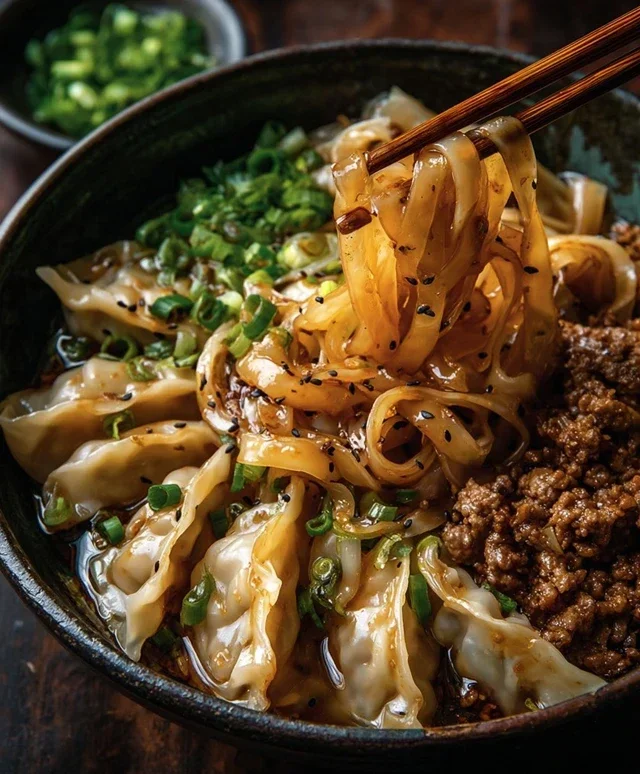
Potsticker Noodle Bowl
This Potsticker Noodle Bowl is my absolute go-to when I’m craving something comforting, flavorful, and surprisingly quick to whip up. It captures all the deliciousness of a classic potsticker filling, but transforms it into a vibrant and satisfying noodle bowl. The chewy noodles, savory ground beef, and crisp vegetables come together in a harmonious symphony of textures and tastes. It’s a meal that feels special enough for a weeknight treat but is simple enough for any occasion.
Ingredients:
Cooking Instructions:
Let’s get started on this delightful bowl! The first step is to prepare our flavorful base, the savory potsticker-inspired meat sauce.
Searing the Beef and Building Flavor
1. Heat the peanut oil in a large skillet or wok over medium-high heat. Once the oil is shimmering, add the ground beef. Break it apart with a spoon and cook, stirring occasionally, until it’s nicely browned and no pink remains. This browning process is crucial for developing deep, savory flavors, so don’t rush it! Once the beef is cooked, drain off any excess fat. This will prevent the dish from becoming too greasy and ensure a cleaner flavor profile.
Creating the Savory Sauce and Adding Aromatics
2. To the browned beef in the skillet, add the minced garlic and grated gin extractger. Sauté for about 30 seconds until fragrant. You’ll know they’re ready when you can really smell their delicious aroma. Be careful not to burn the garlic, as it can turn bitter. Next, add the 1/4 cup of sliced green onions, reserving the remaining 2 tablespoons for garnish. Stir everything together to combine.
Simmering the Sauce to Perfection
3. Pour in the low-sodium chicken broth, non-non-non-alcoholic alternativeic non-alcoholic mirin, and dark soy sauce. Stir well to scrape up any browned bits from the bottom of the pan – these are packed with flavor! Bring the mixture to a simmer. Once simmering, reduce the heat to medium-low and let it cook for about 5-7 minutes, allowing the flavors to meld and the sauce to thicken slightly. This gentle simmer is where the magic happens, transforming simple ingredients into a rich and complex sauce.
Incorporating the Noodles and Finishing Touches
4. Add the cooked and rinsed wide Lo Mein noodles directly into the skillet with the sauce and beef mixture. Gently toss everything together until the noodles are well coated and heated through. Be careful not to over-stir, as this can make the noodles mushy. You want them to retain their delightful chegrape juicess. Stir in the sesame oil and sriracha. The sesame oil adds a wonderful nutty aroma, and the sriracha provides a subtle kick of heat that can be adjusted to your preference. If you like it spicier, feel free to add a little more!
Assembling Your Delicious Bowl
5. Divide the cooked coleslaw mix among serving bowls. The coleslaw mix will provide a fantastic fresh crunch and a delightful contrast to the warm, savory components. Spoon the potsticker noodle mixture generously over the coleslaw. Finally, sprinkle the remaining 2 tablespoons of sliced green onions over the top as a fresh garnish. This final touch adds a burst of color and a delicate onion flavor.
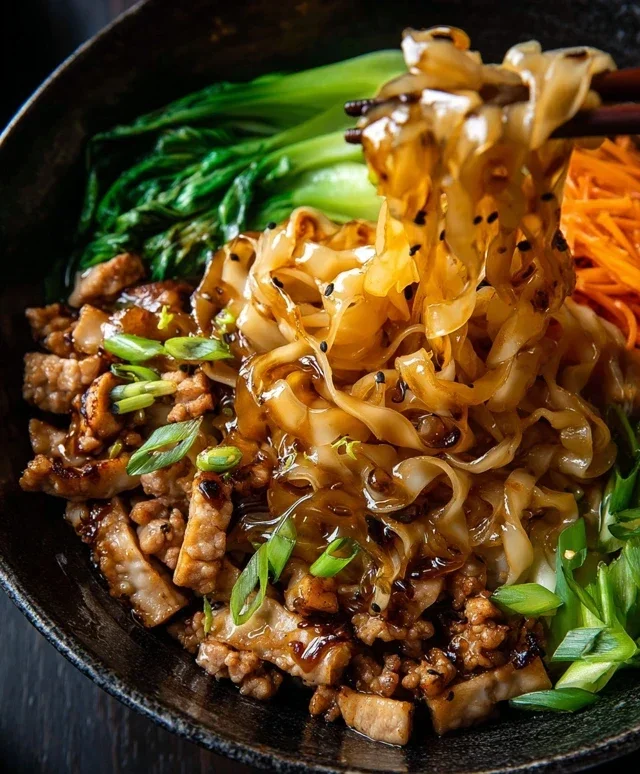
And there you have it – a beautiful, delicious, and incredibly satisfying Potsticker Noodle Bowl! Each bite is a delightful combination of tender noodles, savory ground beef infused with potsticker-inspired flavors, and the refreshing crunch of the coleslaw. I love serving this immediately, but leftovers are also quite good, though the coleslaw will soften a bit. Enjoy every flavorful spoonful!
Conclusion:
I hope you’re as excited about this Potsticker Noodle Bowl as I am! This recipe truly shines because it offers the best of both worlds: the satisfying chew of perfectly cooked noodles combined with the delightful crispiness and savory filling of pan-fried potstickers. It’s a weeknight savior that feels gourmet, yet it’s surprisingly straightforward to assemble. The customizable nature of the broth and toppings means you can tailor it to your exact cravings. Think of it as your personal canvas for deliciousness!
For serving, I love to garnish generously with fresh cilantro, sliced green onions, a sprinkle of toasted sesame seeds, and a drizzle of chili oil for a touch of heat. If you’re feeling adventurous, consider adding a jammy soft-boiled egg or some vibrant pickled gin extractger. Don’t be afraid to get creative with the protein too! While this recipe focuses on potstickers, you could easily add some pan-seared tofu, shredded chicken, or even succulent shrimp to bulk it up even further.
This Potsticker Noodle Bowl is a fantastic way to elevate your mealtime. It’s comforting, flavorful, and incredibly adaptable. I encourage you to give it a try and discover your own favorite combinations. I’m confident it will become a go-to in your recipe rotation.
Frequently Asked Questions:
Can I make the potstickers from scratch?
Absolutely! While using store-bought potstickers makes this recipe incredibly quick, you’re more than welcome to make your own potstickers from scratch. If you do, prepare them according to your preferred method (steaming, pan-frying, or boiling) before adding them to your assembled noodle bowl.
What kind of noodles work best?
Almost any noodle will work beautifully in this Potsticker Noodle Bowl! Ramen noodles are a classic choice for their texture, but udon noodles, soba noodles, egg noodles, or even linguine would be delicious. The key is to cook them al dente so they maintain a nice bite.
How can I make this recipe spicier?
For an extra kick, consider adding a pinch of red pepper flakes to your broth, a generous drizzle of Sriracha or chili garlic sauce, or a few slices of fresh jalapeño to the toppings. The chili oil I suggested in the serving suggestions is also a fantastic way to amp up the heat!
Potsticker Noodle Bowl
A quick and flavorful noodle bowl inspired by potstickers, featuring savory ground beef and tender noodles.
Ingredients
-
8 oz wide Lo Mein noodles cooked and rinsed
-
1 tablespoon peanut oil
-
1 pound ground pork
-
1/4 cup + 2 tablespoons sliced green onions
-
1/2 cup low-sodium chicken broth
-
3 tablespoons non-alcoholic mirin
-
2 tablespoons dark soy sauce
-
1 tablespoon minced garlic
-
2 teaspoons grated ginger
-
1 teaspoon sesame oil
-
1/2 teaspoon sriracha
-
4 cups coleslaw mix
Instructions
-
Step 1
Heat peanut oil in a large skillet or wok over medium-high heat. -
Step 2
Add ground pork and cook, breaking it up with a spoon, until browned. Drain excess grease. -
Step 3
Stir in minced garlic and grated ginger, and cook for 1 minute until fragrant. -
Step 4
Add chicken broth, non-alcoholic mirin, dark soy sauce, sesame oil, and sriracha to the skillet. Bring to a simmer. -
Step 5
Add the cooked Lo Mein noodles and coleslaw mix to the skillet. Toss to combine and cook for 2-3 minutes until the coleslaw is slightly wilted and everything is heated through. -
Step 6
Serve immediately, garnished with sliced green onions.
Important Information
Nutrition Facts (Per Serving)
It is important to consider this information as approximate and not to use it as definitive health advice.
Allergy Information
Please check ingredients for potential allergens and consult a health professional if in doubt.