Easy Chimichurri Sauce Recipe – Fresh Herb Flavor
Chimichurri sauce recipe. Have you ever tasted something so vibrant, so herbaceous, so utterly addictive that it instantly elevates everything it touches? That, my friends, is the magic of a truly exceptional chimichurri. This Argentinian classic isn’t just a condiment; it’s a revelation. It’s the zingy, garlicky, parsley-packed superstar that makes grilled meats sing, roasted vegetables dance, and even a simple piece of bread feel like a gourmet experience. What makes this chimichurri sauce recipe so beloved? It’s the perfect balance of fresh herbs, a kick of chili, and the bright tang of vinegar and lime. It’s incredibly easy to whip up, yet possesses a complex flavor profile that’s both refreshing and deeply satisfying. Get ready to transform your everyday meals with this incredible chimichurri sauce recipe.
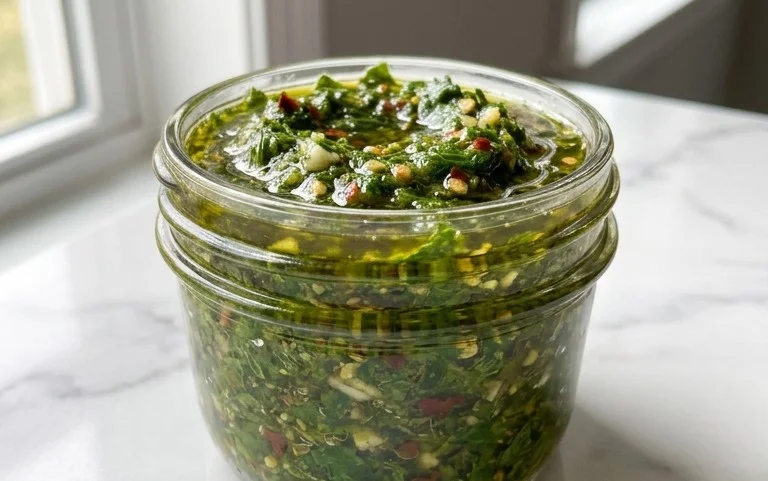
Chimichurri Sauce Recipe
There are few sauces as versatile, vibrant, and utterly delicious as chimichurri. This Argentinian staple is an explosion of fresh herbs, garlic, and a zesty tang that elevates everything it touches. Forget those store-bought versions; making authentic chimichurri from scratch is incredibly simple and the flavor payoff is immense. I love to whip up a batch whenever I’m grilling steak, chicken, or even fish, but its magic doesn’t stop there. It’s fantastic as a marinade, a dip for bread, or even drizzled over roasted vegetables. Get ready to impress yourself and your guests with this incredibly fresh and flavorful sauce.
Ingredients:
Crafting Your Vibrant Chimichurri
The beauty of chimichurri lies in its freshness and the minimal effort required to bring its incredible flavors to life. We’re aiming for a sauce that’s bright, herbaceous, and has just the right amount of bite.
Step 1: Preparing the Herbaceous Foundation
Begin extract by meticulously preparing your fresh herbs. This is arguably the most crucial step for achieving that signature vibrant green color and fresh taste. Take your Italian flat-leaf parsley, cilantro, and oregano. For each herb, you want to ensure you’re only using the tender leaves. Gently strip the leaves from their stems. Stems can be tough and sometimes impart a slightly bitter flavor, so taking a few extra minutes to de-stem will make a noticeable difference in the final texture and taste of your chimichurri. Once de-stemmed, give the leaves a good rinse under cool water and pat them thoroughly dry with paper towels. Excess moisture can dilute the flavors and affect the sauce’s consistency. Spread them out on a clean kitchen towel or paper towels to air dry for a few minutes if you have the time.
Step 2: Mincing the Aromatics
Now, let’s get to the flavor powerhouses: the onion, garlic, and red pepper flakes. For the red onion or shallots, a rough chop is perfectly fine since we’ll be finely mincing them. If you’re using red onion, I recommend choosing a sweet variety to avoid an overly pungent bite. Shallots offer a more delicate, slightly sweeter flavor that is also excellent. Peel your garlic cloves. You can roughly chop these as well, or if you have a garlic press, that’s an option too. The goal here is to break them down into very small pieces. For the red pepper flakes, this is where you can adjust the heat to your preference. Start with the recommended 1/2 teaspoon, but if you love a bit of a kick, feel free to add a little more. If you’re sensitive to spice, you can always start with less and add more to taste at the end.
Step 3: Combining the Fresh Ingredients
In a medium-sized bowl, combine the prepared parsley leaves, cilantro leaves, oregano leaves, roughly chopped red onion (or shallots), peeled garlic cloves, and red pepper flakes. Now, this is where you have a choice regarding texture. For a chunkier, more rustic chimichurri, you can finely chop all these ingredients by hand with a sharp knife until they are very small but still have some texture. This will give you beautiful little flecks of herbs and aromatics. Alternatively, and this is my preferred method for ease and consistency, you can pulse these ingredients in a food processor. Add all the fresh herbs, onion, garlic, and red pepper flakes to the bowl of your food processor. Pulse until everything is finely minced. Be careful not to over-process into a paste; we want it to retain some definition.
Step 4: Emulsifying the Sauce
Once your herbaceous and aromatic base is prepared, it’s time to bring in the liquids and emulsify everything into a cohesive sauce. To the bowl (or food processor bowl if you pulsed the ingredients), add the extra-virgin extract olive oil, red grape juice vinegar, and fresh lemon juice. The red grape juice vinegar provides a classic tang, while the lemon juice adds a bright, fresh acidity that cuts through the richness. If you’re using a food processor, pulse gently to combine the liquids with the minced solids. If you’re making it by hand, whisk vigorously to incorporate the oil and vinegars. Continue to whisk or pulse until the sauce starts to emulsify, meaning the oil and vinegar are starting to combine and thicken slightly. You should see a beautiful, vibrant green sauce forming.
Step 5: Seasoning and Resting
The final step is crucial for balancing the flavors. Add the kosher salt to the chimichurri. Give everything a final good stir or a few more gentle pulses if using a food processor. Now, taste your chimichurri. This is your opportunity to fine-tune it. Does it need more salt? A bit more tang from the lemon juice or vinegar? Perhaps a touch more heat from the red pepper flakes? Adjust as needed. Once you’re happy with the flavor profile, cover the bowl or transfer the chimichurri to an airtight container. For the best flavor, let the chimichurri rest in the refrigerator for at least 30 minutes before serving. This resting period allows the flavors to meld and deepen, creating a more complex and satisfying sauce. The longer it sits (up to a few days), the more the flavors will develop.
Enjoy your homemade chimichurri! It’s a true game-changer for any dish.
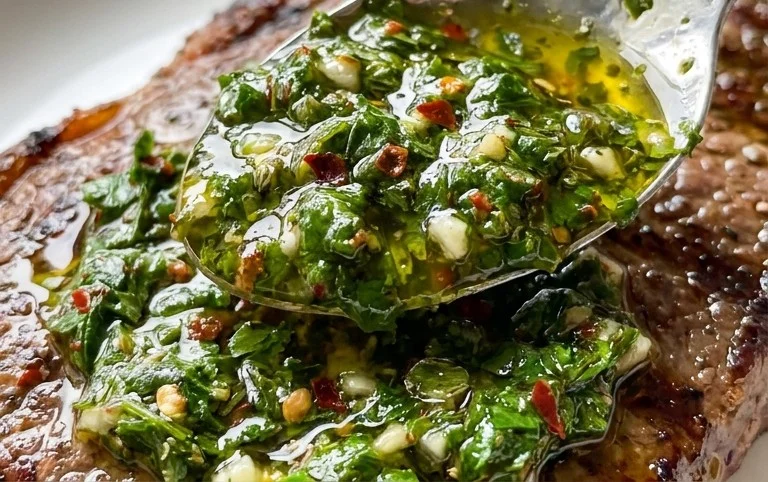
Conclusion:
I hope you’re as excited as I am to whip up this vibrant and flavorful Chimichurri Sauce Recipe! This versatile sauce is a game-changer, transforming even the simplest grilled meats or roasted vegetables into culinary masterpieces. Its bright, herbaceous notes, with a delightful kick of garlic and vinegar, are incredibly refreshing and incredibly easy to achieve. Whether you’re a seasoned chef or just starting your kitchen adventures, this recipe is wonderfully accessible and delivers exceptional results every time.
Don’t limit yourself to just steak! This delicious chimichurri is fantastic drizzled over grilled chicken, beef chops, fish, or even as a zesty dressing for salads and roasted potatoes. Get creative with it – add a pinch of chili flakes for extra heat, or a squeeze of lime for a citrusy twist. I truly encourage you to give this recipe a try. It’s so simple, so satisfying, and you’ll find yourself reaching for it again and again.
Frequently Asked Questions:
How long does chimichurri sauce last?
Properly stored in an airtight container in the refrigerator, your chimichurri sauce should stay fresh for about 5 to 7 days. The olive oil helps to preserve it, and the acidity from the vinegar also acts as a natural preservative. It’s best to give it a good stir before each use, as some separation is normal.
Can I freeze chimichurri sauce?
While it’s not ideal, you can freeze chimichurri sauce. However, the texture of the fresh herbs might change slightly upon thawing, becoming a little more watery. You can freeze it in ice cube trays for convenient single-serving portions, which can then be transferred to a freezer bag. It’s best to use it within a month or two for optimal flavor.
What’s the best way to chop the herbs for chimichurri?
For the best texture and flavor release, it’s recommended to finely chop the fresh parsley and oregano by hand. This releases their essential oils more effectively than simply pulsing them in a food processor, which can sometimes make them mushy. Aim for a consistency where the herbs are finely minced but still discernible.
Chimichurri Sauce
A vibrant and zesty herbaceous sauce, perfect for grilled meats and vegetables.
Ingredients
-
1 cup fresh Italian flat-leaf parsley, leaves only, stems removed
-
1/4 cup fresh cilantro, leaves only, stems removed
-
1/4 cup fresh oregano, leaves only, stems removed
-
1/3 cup roughly chopped red onion
-
3 cloves garlic, peeled
-
1/2 teaspoon red pepper flakes
-
1/2 cup extra-virgin olive oil
-
1/4 cup red grape juice vinegar
-
3 tablespoons fresh lemon juice
-
1 teaspoon kosher salt
Instructions
-
Step 1
Finely chop the parsley, cilantro, and oregano. -
Step 2
Mince the red onion and garlic. -
Step 3
In a medium bowl, combine the chopped herbs, minced onion, minced garlic, and red pepper flakes. -
Step 4
Whisk in the extra-virgin olive oil, red grape juice vinegar, and fresh lemon juice. -
Step 5
Stir in the kosher salt until well combined. -
Step 6
For best flavor, let the chimichurri sit at room temperature for at least 15 minutes before serving, or refrigerate for up to a week.
Important Information
Nutrition Facts (Per Serving)
It is important to consider this information as approximate and not to use it as definitive health advice.
Allergy Information
Please check ingredients for potential allergens and consult a health professional if in doubt.