Chimichurri Sauce – Fresh Herb Flavor Explosion
Chimichurri sauce is more than just a condiment; it’s a vibrant explosion of fresh herbs and zesty citrus that has captured hearts (and taste buds) around the globe. Imagin extracte grilled meats, succulent chicken, or even hearty vegetables transformed into something truly extraordinary with just a drizzle. This Argentinian staple is universally loved for its bright, herbaceous flavor profile that cuts through richness and awakens the palate. What makes chimichurri sauce so incredibly special is its simplicity and the incredibly fresh ingredients that come together to create a symphony of taste. It’s a sauce that demands attention, not with overpowering spice, but with an undeniable freshness and a tangy, garlicky punch that makes everything it touches sing. I can’t wait to share how you can easily recreate this magic in your own kitchen!
The Vibrant Heart of Argentinian Grilling: Mastering Chimichurri Sauce
There are some sauces that simply elevate a dish from good to extraordinary. Chimichurri is one of those magical concoctions. Origin extractating from Argentina and Uruguay, this herbaceous, tangy sauce is the quintessential accompaniment to grilled meats, particularly steak. Its bright, fresh flavor cuts through richness and adds a zesty punch that awakens the palate. While it’s famously paired with steak, don’t limit yourself! Chimichurri is equally delightful drizzled over roasted vegetables, grilled chicken, fish, or even as a vibrant salad dressing. Making your own chimichurri is incredibly simple, requiring no cooking, just a little chopping and whisking. The result is a fresh, flavorful sauce that tastes infinitely better than anything store-bought. Get ready to discover your new favorite condiment!
Ingredients:
Crafting Your Culinary Masterpiece: The Chimichurri Process
The beauty of chimichurri lies in its simplicity and the pure, unadulterated flavor of its fresh ingredients. There’s no complex cooking involved; it’s all about combining and blending these vibrant elements to create a harmonious sauce.
Phase 1: Preparing the Aromatics and Herbs
The first step is to get your fresh ingredients ready. For the parsley and cilantro, I like to give them a good rinse under cold water and then give them a thorough shake to remove as much excess moisture as possible. You can also gently pat them dry with paper towels. This helps prevent your chimichurri from becoming watery. We want packed cups, so be generous when measuring. For the oregano, fresh is always my preference for its brighter, more pungent flavor, but if you can’t find it, dried will work in a pinch. Just remember that dried herbs are more potent, so use less.
Next, let’s tackle the onion and garlic. I find that finely mincing these aromatics releases their full flavor potential. If you’re using a red onion, a quarter of a small one is usually sufficient for a nice, subtle bite. If you prefer a milder onion flavor, a small shallot is an excellent alternative. For the garlic, three cloves are a good starting point, but feel free to add more if you’re a garlic enthusiast! I like to mince the garlic and onion very, very finely, almost to a paste. This ensures that they integrate beautifully into the sauce without any harsh, overpowering chunks.
Phase 2: Assembling the Sauce
Now for the fun part – bringin extractg it all together! In a medium-sized bowl, combine the finely chopped parsley, cilantro, and oregano. Add the minced red onion (or shallot) and garlic. It might look like a lot of green goodness at this stage, but trust me, it will all meld together.
Next, we introduce the acidic elements that give chimichurri its signature tang. Pour in the red grape juice vinegar and the fresh lemon juice. The red grape juice vinegar adds a subtle fruity sweetness and a lovely color, but white grape juice vinegar or even apple cider vinegar can be substituted if that’s what you have on hand. The fresh lemon juice is crucial for brightness and balancing the flavors.
Now, it’s time for seasoning. Add the salt and the red pepper flakes. I always start with the recommended amount of salt and then adjust to my taste at the end. The red pepper flakes are entirely optional, but they add a lovely, subtle warmth that complements the herbs beautifully. If you like a bit of heat, don’t hesitate to add a little more.
Phase 3: The Emulsification – Adding the Olive Oil
The final, and arguably most important, step in achieving that perfect chimichurri consistency is the slow addition of the olive oil. We’re aiming for an emulsified sauce, not just a mixed bowl of ingredients. I like to use a good quality extra virgin extract olive oil for its superior flavor.
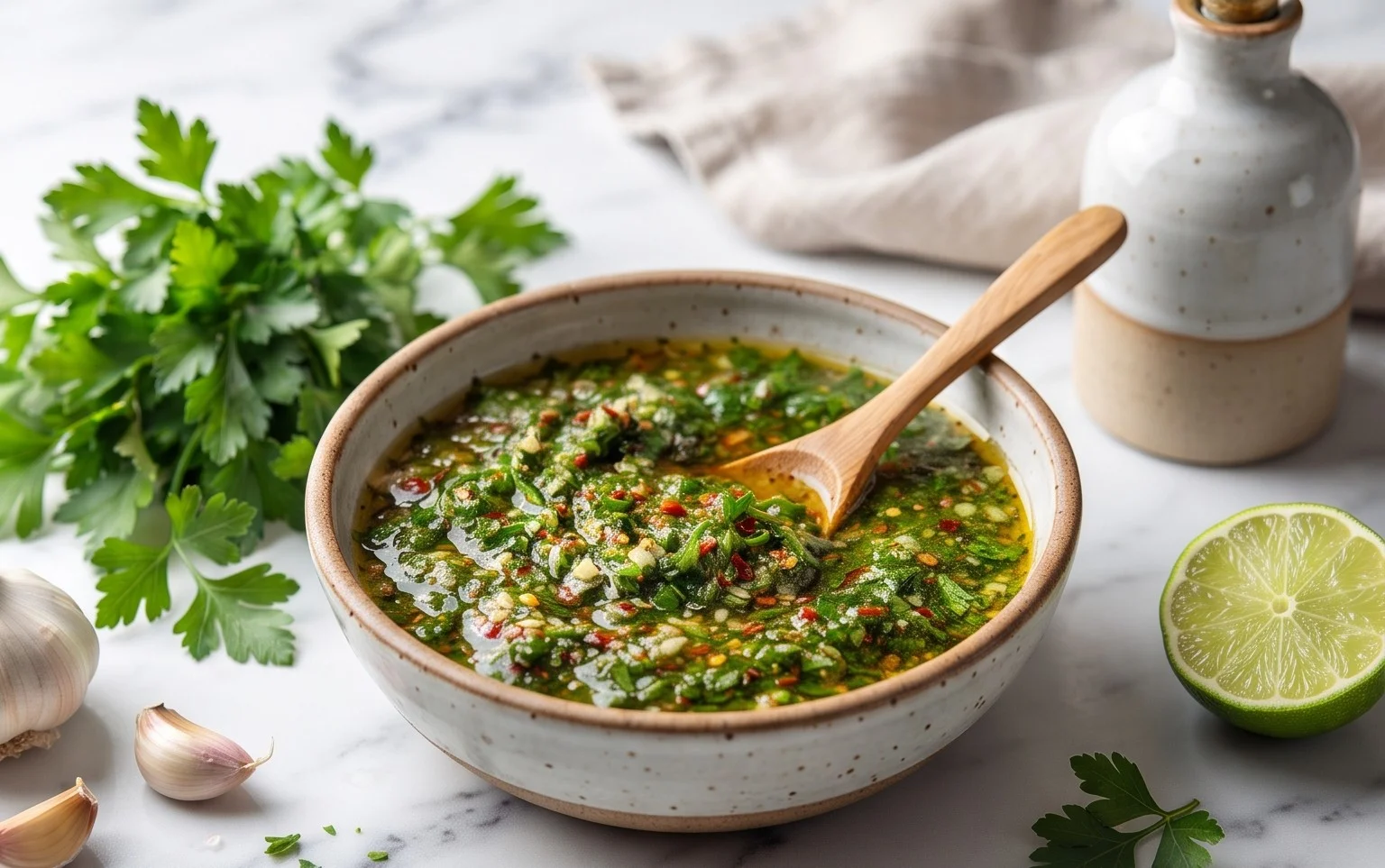
Slowly drizzle the olive oil into the bowl while continuously whisking. This process is similar to making a vinaigrette or mayonnaise. By gradually incorporating the oil while whisking, you’re creating a stable emulsion where the oil and the acidic liquids bind together, resulting in a thicker, more cohesive sauce. You can also achieve this by using a food processor and pulsing the ingredients as you add the oil, but I personally prefer the rustic texture and control that comes with hand-whisking. Continue to whisk until all the olive oil is incorporated and the sauce has a lovely, vibrant green hue and a slightly thickened consistency.
Phase 4: The Crucial Resting Period
This is a step that many recipes skip, but I find it absolutely essential for developing the best flavor. Once your chimichurri is assembled, cover the bowl and let it rest in the refrigerator for at least 30 minutes, or even better, for an hour or two. This resting period allows the flavors to meld and deepen. The herbs will soften slightly, the garlic and onion will become less pungent, and the vinegar and lemon juice will have time to work their magic, creating a truly harmonious blend of tastes. During this time, you can pop back into the kitchen and give it another quick stir.
Phase 5: The Final Taste and Adjustment
Before you serve your glorious chimichurri, it’s imperative to taste and adjust the seasoning. This is where you can truly make it your own. Does it need more salt? A little more tang from lemon juice? A touch more heat from red pepper flakes? This is your moment to fine-tune. Remember, a well-seasoned sauce is key to an exceptional dish. Once you’re happy with the flavor profile, your chimichurri is ready to be enjoyed!
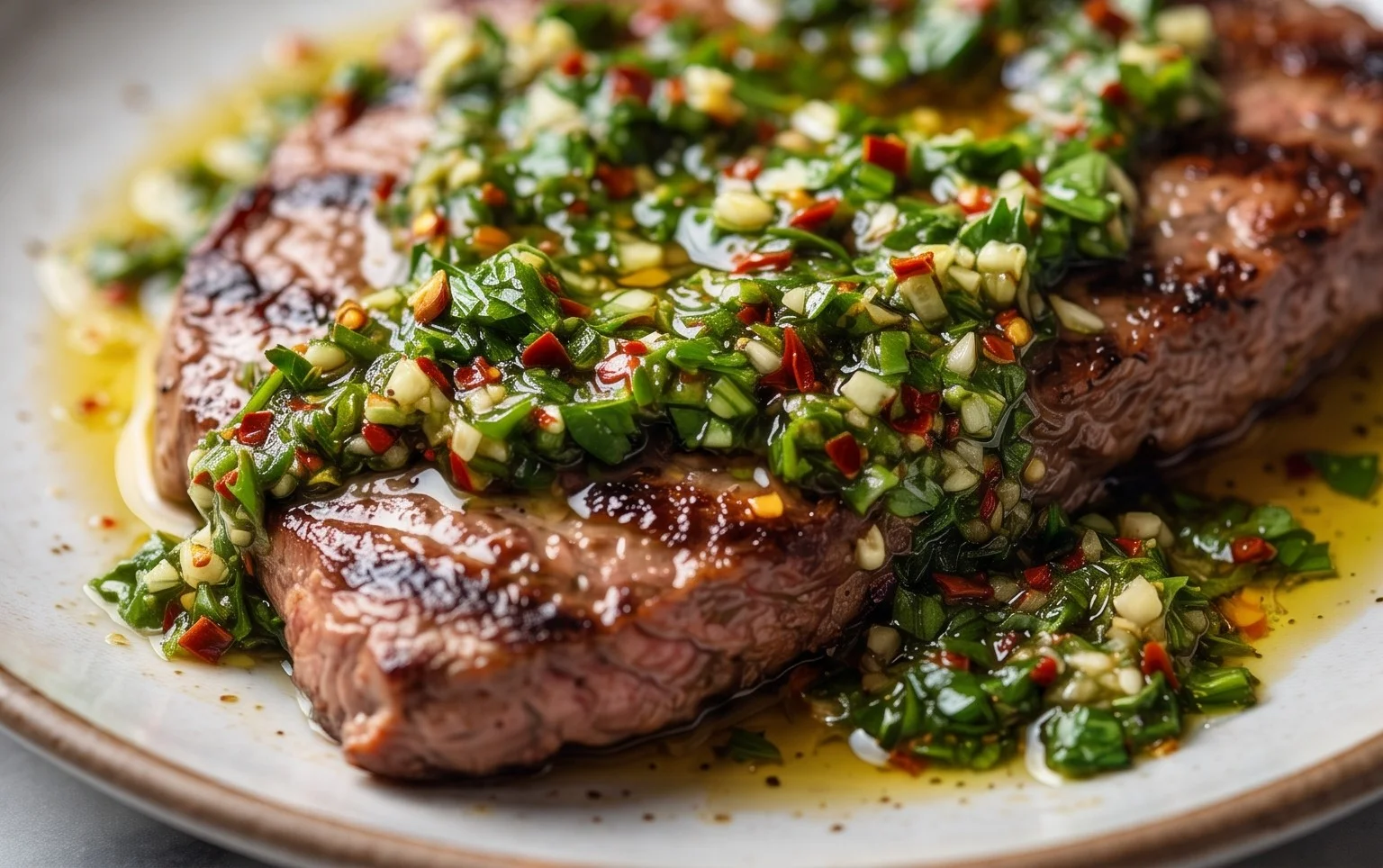
This vibrant, fresh sauce is incredibly versatile. It’s the perfect partner for a sizzling steak off the grill, but don’t stop there! Drizzle it over grilled chicken breasts, spoon it onto roasted root vegetables, or use it as a flavorful dip for crusty bread. The possibilities are endless, and the bright, herbaceous flavor of homemade chimichurri is sure to become a staple in your kitchen. Enjoy the taste of Argentina!
Conclusion:
And there you have it – your guide to creating the most vibrant and flavorful chimichurri sauce! This recipe is truly a kitchen game-changer because it’s so incredibly versatile and easy to whip up, elevating everything from grilled steaks and chicken to roasted vegetables and even fish. The fresh, herbaceous notes of parsley and cilantro, coupled with the tang of vinegar and the subtle kick of garlic and chili, create a symphony of tastes that’s simply irresistible. Don’t be afraid to experiment! It’s fantastic drizzled over grilled skewers, mixed into a potato salad, or even as a zesty dip for bread. I truly encourage you to give this recipe a try – I promise it will become a staple in your culinary repertoire. Happy cooking!
Frequently Asked Questions:
Can I make chimichurri sauce ahead of time?
Absolutely! Chimichurri sauce actually tastes even better after a few hours, or even overnight, as the flavors have more time to meld together beautifully. Store it in an airtight container in the refrigerator.
How long does chimichurri sauce last in the fridge?
When stored properly in an airtight container in the refrigerator, your delicious chimichurri sauce should last for about 5-7 days. You might notice the vibrant green color fade slightly over time, but the flavor will remain excellent.
What if I don’t have fresh oregano? Can I use dried?
While fresh oregano is ideal for the authentic flavor, you can use dried oregano in a pinch. A good rule of thumb is to use about one-third the amount of dried herbs compared to fresh. So, if the recipe calls for 1/2 cup of fresh oregano, start with about 2-3 tablespoons of dried oregano. Remember, it won’t have quite the same bright, fresh punch, but it will still be tasty!
Chimichurri Sauce
A vibrant and flavorful Argentinian sauce, perfect for grilled meats or vegetables.
Ingredients
-
1 1/2 cups well packed (42g) fresh parsley
-
1/2 cup well packed (20g) fresh cilantro
-
1/4 cup (9g) fresh oregano or 1 tsp dried
-
1/4 small red onion or one small shallot
-
3 garlic cloves
-
3 Tbsp red grape juice vinegar
-
2 Tbsp fresh lemon juice
-
1/2 tsp salt, then more to taste
-
1/4 tsp red pepper flakes (optional, more or less to taste)
-
3/4 cup olive oil
Instructions
-
Step 1
Finely chop the fresh parsley, cilantro, oregano (if using fresh), red onion or shallot, and garlic. -
Step 2
In a medium bowl, combine the chopped herbs, onion/shallot, and garlic. -
Step 3
Add the red grape juice vinegar, fresh lemon juice, salt, and red pepper flakes (if using) to the bowl. -
Step 4
Whisk together the wet ingredients and seasonings. -
Step 5
Slowly drizzle in the olive oil while whisking continuously until well combined and emulsified. -
Step 6
Taste and adjust salt and red pepper flakes as needed. -
Step 7
For best flavor, let the chimichurri sauce rest for at least 15-30 minutes before serving to allow the flavors to meld.
Important Information
Nutrition Facts (Per Serving)
It is important to consider this information as approximate and not to use it as definitive health advice.
Allergy Information
Please check ingredients for potential allergens and consult a health professional if in doubt.