Homemade Pâtes de Fruits – Sweet Natural Chewy Treats
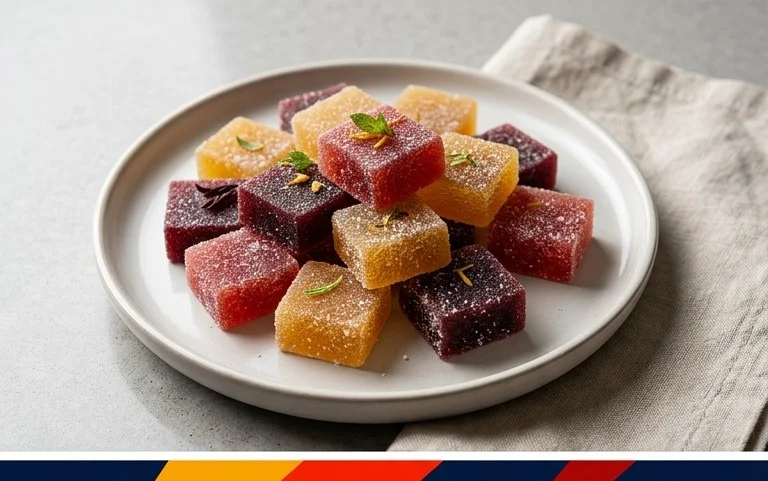
Homemade Pâtes de Fruits (no corn syrup) are a delightful and elegant treat that I absolutely adore creating in my kitchen. These jewel-like fruit confections, bursting with vibrant flavor and possessing a satisfyingly soft, chewy texture, evoke the sophisticated sweetness of French patisseries. Many people love pâtes de fruits because they offer a pure, unadulterated taste of fruit, far removed from the overly saccharine candies often found on store shelves. What truly makes homemade pâtes de fruits, especially when prepared without corn syrup, so special is the control we have over the ingredients. We can highlight the natural sweetness and character of the chosen fruit, resulting in a confection that is both intensely flavorful and wonderfully balanced. This recipe allows us to achieve that perfect, slightly firm yet yielding bite, a testament to skillful candy making right at home.
Homemade Pâtes de Fruits (No Corn Syrup)
There’s something incredibly satisfying about crafting your own sweet treats from scratch. And when it comes to fruit-based confections, few are as elegant and delightful as pâtes de fruits. These jewel-like fruit jellies are a staple in French patisseries, and the best part? You can absolutely make them at home, without any of that processed corn syrup! We’re talking pure fruit flavor, a wonderfully chewy texture, and a sophisticated candy that’s perfect for gifting or simply indulgin extractg yourself.
The beauty of pâtes de fruits lies in their simplicity. They are essentially a fruit gel that’s cooked down with sugar and pectin to create a firm, yet yielding, consistency. The absence of corn syrup means you get a cleaner, brighter fruit taste, allowing the natural flavors of your chosen fruits to truly shine. I’ve experimented with various fruit juice combinations, and a classic pairing of tangy orange and slightly tart pomegranate creates a beautifully balanced and vibrant pâte de fruit.
Ingredients:
*Note: Classic pectin is essential for achieving the correct set. Look for pectin powder specifically labeled as “classic” or “traditional” pectin. Avoid “low-sugar” or “instant” pectin as these will yield different results.
Cooking Instructions:
Let’s dive into the delightful process of creating these homemade fruit jellies. Patience and attention to detail are key, but the rewards are well worth it.
Phase 1: Preparing the Fruit Base
1. Combine Fruit Juice and Sugar: In a medium-sized, heavy-bottomed saucepan, pour in your 2 cups of fruit juice. It’s important to use a heavy-bottomed pot because it distributes heat more evenly, preventing scorching, which can happen quickly with sugary mixtures. Add 1 cup of granulated sugar to the juice. Stir this mixture gently over medium heat, just until the sugar has completely dissolved. You don’t want to bring it to a boil at this stage; we’re just ensuring a smooth base for our pectin. Take your time with this step; a well-dissolved sugar mixture will make the subsequent steps much smoother.
Phase 2: Activating the Pectin
2. Incorporate the Pectin: Once the sugar is dissolved, it’s time to introduce the magic ingredient: pectin. In a small bowl, whisk together the 3 tablespoons of classic pectin with a couple of tablespoons of the warmed fruit juice mixture from the saucepan. This step is crucial. Whisking the pectin with a small amount of liquid before adding it to the main batch helps to prevent clumping. If you were to dump the pectin directly into the hot liquid, it would likely form stubborn lumps that are difficult to dissolve. Once you have a smooth, lump-free slurry, gradually whisk it into the saucepan with the rest of the fruit juice and sugar mixture. Continue to stir constantly.
Phase 3: Cooking to the Gel Point
3. Bring to a Boil and Cook: Now, increase the heat to medium-high and bring the mixture to a full, rolling boil. A rolling boil is a boil that cannot be stirred down. This is where the pectin will activate and begin extract to thicken the mixture. Once it reaches this rolling boil, continue to cook and stir constantly for exactly 1 to 2 minutes. It’s important to be precise with this timing. Overcooking can lead to a tough texture, while undercooking will result in a pâte de fruit that doesn’t set properly. During this boiling stage, you’ll notice the mixture will start to thicken considerably. Keep a close eye on it, and use your whisk vigorously to ensure no scorching on the bottom.
4. Add Lemon Juice and Final Cook: After the 1-2 minute boil, remove the saucepan from the heat briefly and stir in the 1 tablespoon of freshly squeezed lemon juice. The lemon juice not only adds a bright tang that complements the fruit flavors but also helps to stabilize the pectin set. Return the saucepan to medium-high heat and bring the mixture back to a rolling boil. Cook and stir continuously for another 1 minute. This final short boil ensures the pectin is fully activated and the mixture reaches its optimal setting point. You’ll see the mixture become quite thick and viscous.
Phase 4: Setting and Finishing
5. Pour and Set: Prepare an 8×8 inch baking pan by lining it with parchment paper, leaving some overhang on the sides. This overhang will make it easier to lift the set pâte de fruit out of the pan later. Carefully pour the hot, thickened mixture into the prepared pan. Use a spatula to spread it evenly, ensuring a smooth, level surface. Let the pâte de fruit cool at room temperature for about 30 minutes, then cover it loosely with plastic wrap and refrigerate for at least 4 hours, or preferably overnight. This chilling period is essential for the pâtes de fruits to firm up completely and develop their characteristic chewy texture. Once it’s fully set, lift the entire slab out of the pan using the parchment paper overhang. You can then cut it into your desired shapes – small squares or fun candy shapes. For a classic finish, toss the cut pieces in extra granulated sugar to coat them lightly. This sugar coating prevents them from sticking together and adds a lovely textural contrast.
Enjoy these homemade pâtes de fruits! They’re a testament to the fact that delicious, sophisticated treats don’t need complicated ingredients.
Conclusion:
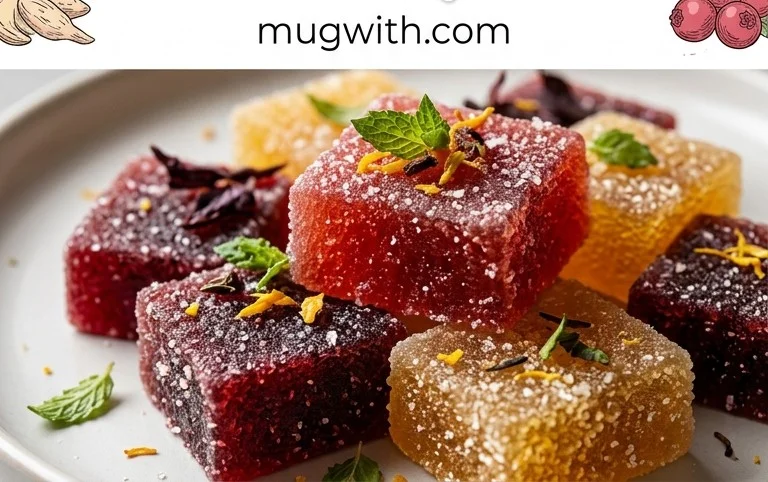
You’ve now got the blueprint to create your own stunning, vibrant, and incredibly delicious homemade pâtes de fruits without a drop of corn syrup! This recipe is a true celebration of natural fruit flavors, offering a wonderfully chewy texture and a sophisticated treat that’s perfect for gifting or simply indulgin extractg yourself. The beauty of making these yourself lies in the control you have over the ingredients and the pure, unadulterated taste of the fruit that shines through. Imagin extracte the delight on your loved ones’ faces when they bite into these jewel-like confections!
Serve your gorgeous pâtes de fruits alongside a cup of coffee or tea for an elegant afternoon pick-me-up, or present them as a thoughtful homemade dessert after a special meal. They also make a delightful addition to a cheese board for a sweet and tangy contrast. Don’t be afraid to experiment with different fruit combinations – think strawberry-rhubarb, raspberry-rose, or even a tropical mango-passionfruit blend. The possibilities are as endless as your imagin extractation!
I truly encourage you to give this recipe a try. It’s more rewarding than you might think, and the results are simply spectacular. Embrace the process, have fun, and savor the incredible taste of your own homemade fruit jellies!
Frequently Asked Questions:
Why is using natural fruit puree so important for this Homemade Pâtes de Fruits recipe?
Using high-quality natural fruit puree is paramount because it’s the primary flavor source. Without corn syrup, the fruit’s intrinsic sweetness, tartness, and aroma become the stars of the show. This allows for a cleaner, more authentic fruit taste that truly distinguishes homemade pâtes de fruits from commercially produced versions.
Can I use frozen fruit to make my fruit puree?
Absolutely! Frozen fruit is an excellent and often more accessible option for making your fruit puree. Thaw the frozen fruit completely, then drain off any excess liquid before puréeing. You might find you need to simmer the puree for a little longer to achieve the correct consistency, but the flavor will be just as vibrant.
How should I store my homemade pâtes de fruits?
Proper storage is key to maintaining their texture and freshness. Once completely cooled and cut, store your homemade pâtes de fruits in an airtight container at room temperature for up to a week. If your kitchen is particularly warm or humid, you can store them in the refrigerator, but be aware they may become slightly firmer.
Homemade Pâtes de Fruits (no corn syrup)
Delicious fruit jellies made from scratch without corn syrup, perfect for a homemade candy treat. This recipe uses a combination of fruit juices and pectin to achieve a chewy texture.
Ingredients
-
2 cups fruit juice (orange and pomegranate used)
-
1 cup granulated sugar, plus more for coating
-
3 tablespoons classic pectin
-
1 tablespoon freshly squeezed lemon juice
-
1/4 teaspoon citric acid (optional, for tartness)
Instructions
-
Step 1
In a medium saucepan, combine the fruit juice, 1 cup of granulated sugar, and lemon juice. Whisk until the sugar is mostly dissolved. -
Step 2
In a small bowl, whisk together the pectin and the optional citric acid. This helps prevent clumps. -
Step 3
Gradually whisk the pectin mixture into the fruit juice mixture in the saucepan. Ensure there are no lumps. -
Step 4
Place the saucepan over medium heat and bring the mixture to a boil, stirring constantly. Once boiling, continue to boil for 1 minute, stirring vigorously. -
Step 5
Carefully pour the hot mixture into an 8×8 inch baking dish lined with parchment paper or a silicone mat. Ensure the lining extends up the sides. -
Step 6
Let the mixture cool at room temperature for about 30 minutes until slightly thickened, then refrigerate for at least 2-3 hours, or until firm. -
Step 7
Once firm, cut the pâte de fruit into desired shapes (squares or rectangles). -
Step 8
Toss the cut pieces in granulated sugar to coat all sides. Allow to air dry for a few hours or overnight before storing in an airtight container.
Important Information
Nutrition Facts (Per Serving)
It is important to consider this information as approximate and not to use it as definitive health advice.
Allergy Information
Please check ingredients for potential allergens and consult a health professional if in doubt.